Sessions & agenda
We’re putting together a full day of sessions and conversations. A full day of keynotes and panel discussions — exploring the big questions around citizen communication, crisis preparedness, and innovation in the public sector. As a bonus – the morning after is hands-on: practical workshops where you work through real challenges together with peers from other municipalities.
Citizen 2026 | Full event info and sign-up

08:00 – 09:00 | Arrival, check ins & breakfast.
Sveasalen, Sveavägen 36 - Stockholm.
09:00 | Welcome & introduction - Bjarte
09:15 – 10:45 | Session 1: Who owns the communication? - The strategic case for independence
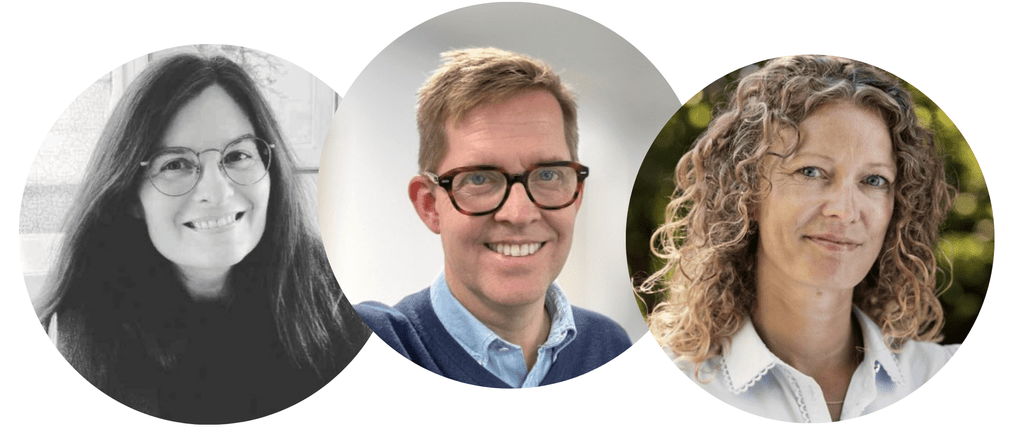
- Astrid Haug has been making this argument in Scandinavia longer than most. She will set the strategic and democratic stakes - with a European perspective
- Anette Dey has led it in practice, driving a fundamental shift in how Bydel Frogner in Oslo communicates with its residents.
- Ola Gäverth brings a rare double lens - years in public service media, now inside a municipality. Ola argues that owning your communication channels isn't enough - you also have to earn people's attention through relevant, human stories rather than relying on institutional messaging.
For years, the question of whether municipalities should rely on Meta and X felt theoretical. That is changing. Across the Nordics and beyond, public institutions are quietly - and sometimes not so quietly - asking whether platforms they don't control are the right foundation for citizen communication.
10:45 – 11:15 | Break, coffee & mingel
11:15 – 12:15 | Session 2: From broadcasting to dialogue - Co-creating communication with the community
Public sector communication is shifting, from broadcasting to facilitating direct engagement with citizens. But creating dialogue through these channels is not as straightforward as launching new platforms or channels. Research on digital citizen participation shows that digital platforms rarely generate engagement on their own. Instead, they often become isolated or used in ways that reproduce existing bureaucratic routines; prioritising control, predictability, and internal processes over openness and interaction.
When municipalities invite citizens into their digital channels, communication has the potential to become something fundamentally different, but also more complex. Dialogue requires not only new tools, but new ways of working: the ability to listen without predefined answers, to integrate citizen input into decision-making, and to handle uncertainty and loss of control. This session explores why this shift is difficult in practice, and what it takes to move from digital channels as distribution platforms to digital spaces for genuine, co-created dialogue .
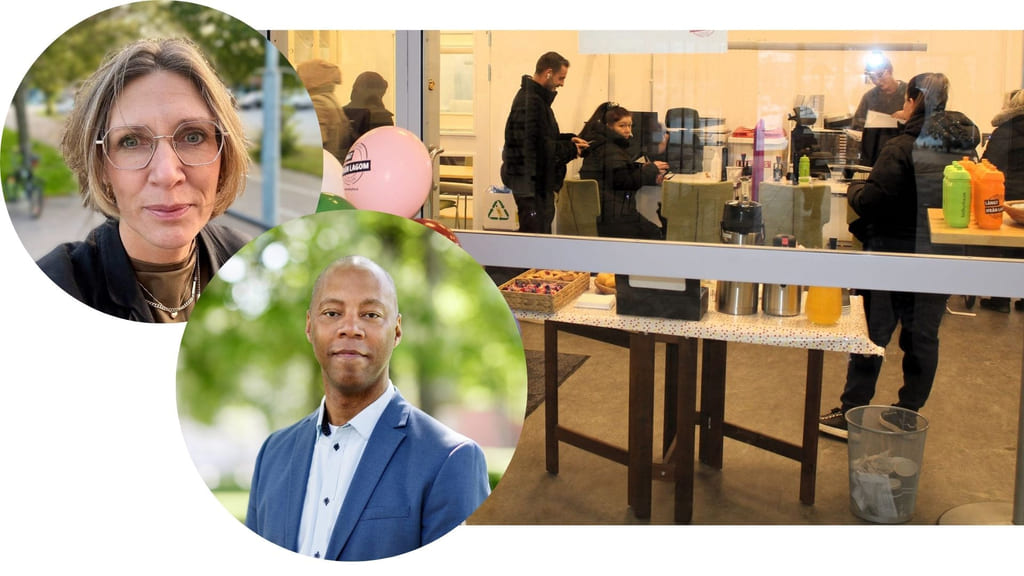
With Pascal Tshibanda - Head of Communications at Norrköping Municipality, and Petra Sintorn - Head of Unit at Botkyrka Municipality and doctoral researcher in public sector digital transformation.
Moving from one-way information to genuine two-way communication. What does it take in practice, and what changes when residents become part of the process?
12:15 – 13:30 | Lunch
13:30 – 15:00 | Session 3: When it really matters - Communication in crisis
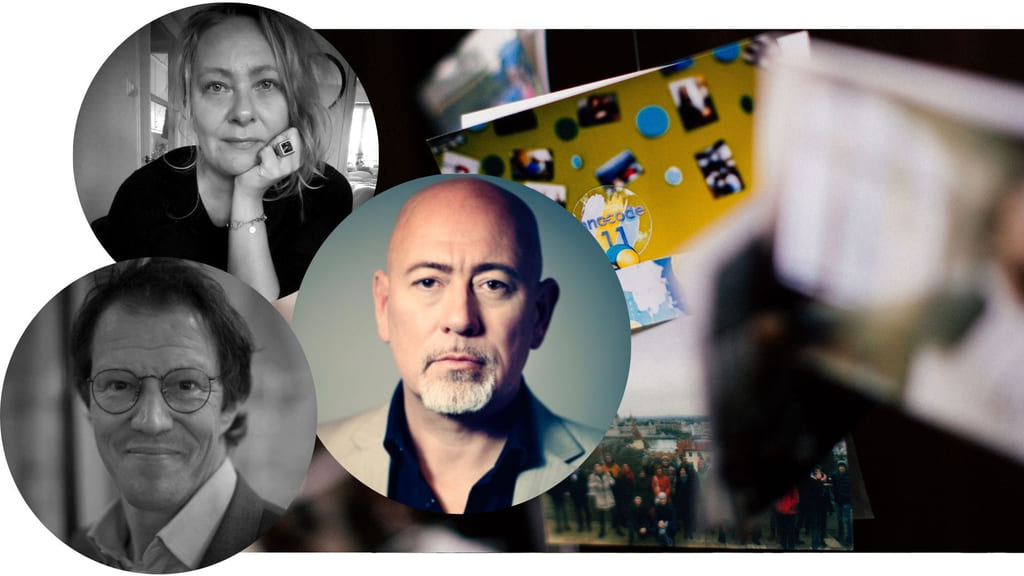
- Anna Teljfors, Edvard Unsgaard and Varg Gyllander come to this session from different angles, but they are circling the same question: why do some organisations communicate clearly when it counts, and others don't?
Anna works at the Swedish Civil Defence and Resilience Agency (MCF) and co-authored If the Crisis or War Comes — the guide that has become a reference point for how Nordic municipalities approach crisis communication. She brings a decade of building Sweden's preparedness infrastructure from the inside.
Edvard and Varg are the founders of Unsgaard & Gyllander. Between them, they have spent years on both sides of the crisis: covering it as journalists, navigating it as press advisors, and preparing organisations for it as practitioners. In this session, they will share two concrete frameworks - the Pixel Method and SOS - that give communicators something practical to bring back to their organisation.
In the panel - Nacka municipality's Director of Security Henrik Ahl will offer his perspectives on local resilience and preparedness.
When critical communication is tested, preparation makes the difference.
15:00 | Break & Swedish fika
15:20 - 16:10 | Session 4: Agile innovation and the new technology landscape
Doing more with what you have - without losing control of what matters
The pace of change in digital tools has left a lot of municipalities in an uncomfortable position: the technology moves faster than procurement cycles, AI is reshaping what's possible overnight, and the gap between what residents expect and what organisations dare to implement keeps growing.
This session is not about moving fast. It is about moving with confidence — knowing when to act, what to protect, and how to launch something real without waiting for conditions that may never be perfect.
- Kjell-Vidar Åhman Teig and Morten Holst from Innocode bring the practitioner perspective: what it actually takes to build and launch in the public sector today, under real constraints on stability, GDPR, and accessibility.
- Lars Petter Kjær leads communication and digitalisation at Sandefjord Municipality, and brings the view from the other side of the table.
- Henrik Palmblad-Wennergren - Chief Digital Officer at Nacka Municipality shares his experience of working with new innovation in a new tech landscape.
16:10 | Closing remarks
16:20 - 18:00 | Networking, drinks & snacks
Workshop Morning, 10:00–13:00
The second day is an optional bonus, for those who have the time - and would like to get into operative details - learning from each other.
Where: At Innocode's offices in Forskaren Co-working, Haga Esplanaden 4, Stockholm
When: Friday at 10:00 – 13:00 | Workshops & break-out discussions.
Workshop A - Building a brand new outbound channel for your local government
(facilitated by Lova Graaf, Kine Johansen & Bjarte Falck Olsen)
- Foundations first: the key decisions before launch - governance, content strategy, and how to get the first residents onboarded.
- Tips & tricks from the app itself: a hands-on walkthrough of what’s working for municipalities already running a channel — what content gets opened, what gets ignored, and how to set a rhythm that lasts?
- Peer troubleshooting: open exchange where attendees bring their own channel questions and compare notes with municipalities further along.
Workshop B - Prototyping & solving your challanges with new technology
(facilitated by Morten Holst, Olga Vasiuk & Kjell-Vidar Åhman Teig)
- Explore new tools within a clear framework: an agile, step-by-step process for building a concept with current AI-assisted tools - structured checkpoints so exploration stays within the governance and accountability standards public sector work requires.
- Bring a real problem: each participant/team frames one concrete challenge from their own municipality.
- Present & validate: share the concept for feedback, leaving with a documented, testable concept — not just a demo.
CITIZEN 2026
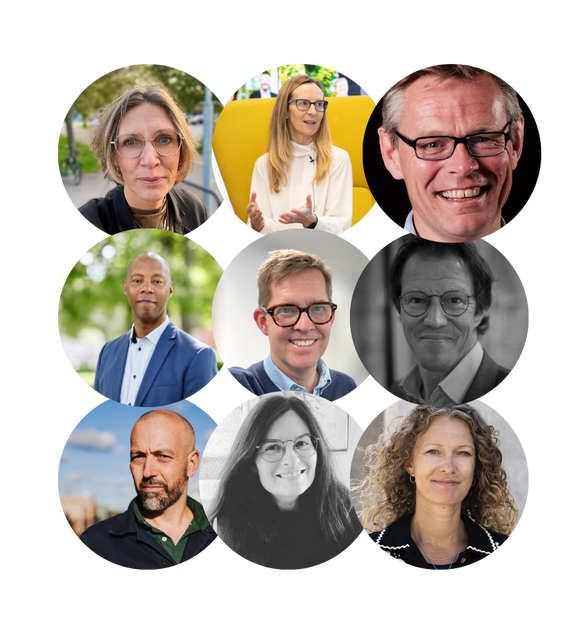
Speakers and panelists
We are gathering the strongest voices in Nordic and European public sector-communication. Names and descriptions are updated continously, as we agree with new speakers!
Videos from the event
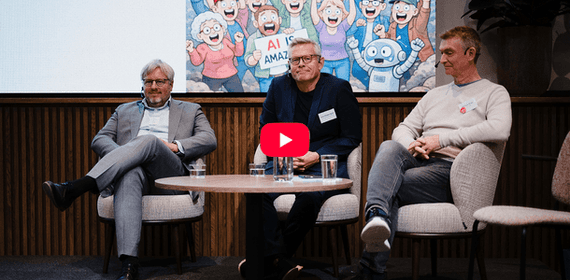
Citizen 2026: Agile innovation and the new technology landscape
How can municipalities move, improve, and innovate more efficiently while still staying in control with new technology?
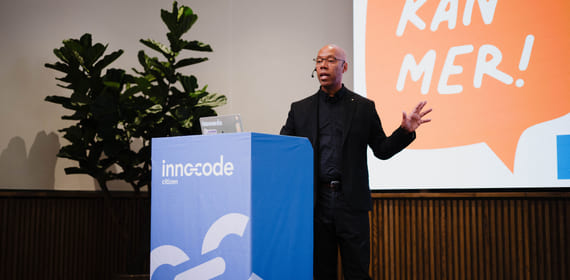
Citizen 2026: Co-creating communication with citizens
Watch Pascal Tshibanda from Norrköping Municipality at Citizen 2026 on how municipalities can move from communicating to citizens to co-creating with them.
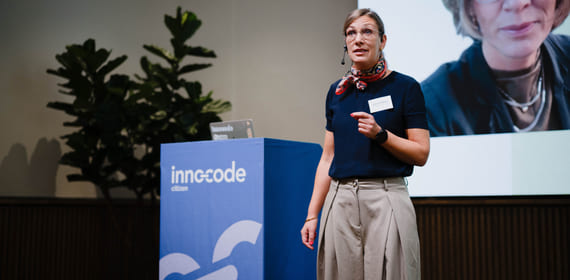
Citizen 2026: From broadcasting to dialogue
Watch Petra Sintorn from Botkyrka Municipality at Citizen 2026 on how municipalities can move from informing citizens to real dialogue.