Channel sovereignty: Who owns the contact with citizens when it matters?
Municipalities have never had more channels to their citizens, but they own fewer of them themselves. Much of the public conversation now takes place on platforms where algorithms, rules and business models are decided far from local democracy. On Wednesday 10 March 2027, we are bringing together a group of communication, digitalisation and emergency preparedness professionals for an open conversation about what this means and which strategies municipalities can choose.

CITIZEN DK 2027 | ROUNDTABLE
10 MARCH 2027 | COPENHAGEN
Why now?
Municipal communication has become dependent on a handful of global platforms. This has brought reach, but also vulnerability: when a platform changes its algorithm, closes an account or goes down, the municipality loses contact with its citizens, and it owns neither the channel, the reach nor the data. At the same time, emergency preparedness and the debate on digital sovereignty in Europe are placing new demands on how the public sector communicates.
Programme
Wednesday 10 March 2027 · 09:00–13:30 · Copenhagen
We will follow up with the exact address.
09:00 Coffee and welcome
Astrid Haug and Bjarte Falck Olsen
09:15 Session 1: Channel ownership and sovereignty
Who owns the contact with citizens today, and will it hold when it matters?
With input from Astrid Haug
- Channels on someone else’s terms: Municipal communication increasingly runs through a few global platforms owned and controlled outside Europe. So who decides what citizens see and when, in everyday life and when it matters?
- Social media: Reach on borrowed ground. What happens when the algorithm, the rules or the platform changes?
- When it matters: What happens to crisis communication if power, internet or social media fail? And who do we fail to reach because they are not on the platforms?
- What is the business model? When the service is free, who pays, and with what?
- The media perspective: Local media have long faced the same dependency. How have they positioned themselves strategically, then and now, and what can municipalities learn from them?
10:35 Break
11:00 Session 2: Building the owned channel
What does it take, and what can we do together?
Vallensbæk Municipality and Halsnæs Municipality share their experiences: why they chose to own the contact with their citizens themselves, the dilemmas they faced, and what they have learned along the way.
- What should you consider? Strategy, content, operations and how citizens actually start using the channel.
- Preparedness in practice: An emergency channel needs to be in use before the crisis hits. How do we make sure citizens already have it, that important information can be read offline, and that communication and emergency preparedness work together?
- Bringing local forces together: Municipality, local media, associations and utilities. What can we do together that we cannot do alone, including in a crisis?
- The fragmented digital local community: Many apps, groups and channels. How do we avoid citizens having to search for information in ten different systems when time is critical?
12:15 Summary and next steps
Astrid Haug and Bjarte Falck Olsen
12:30 Lunch and networking
13:30 Thank you for today
Who is taking part
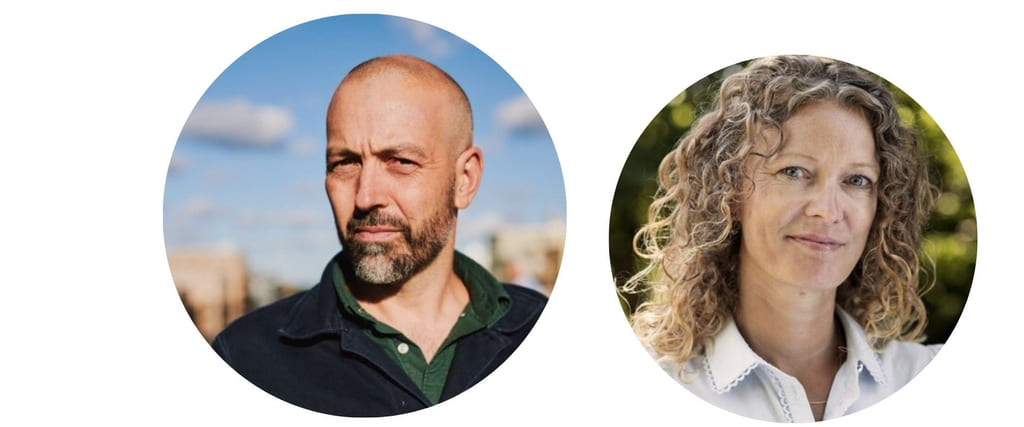
- Moderator: Astrid Haug, adviser and moderator in digitalisation and social media, leads the conversation together with Innocode’s Bjarte Falck Olsen.
- Vallensbæk and Halsnæs share how they have worked to own the contact with their citizens: considerations, dilemmas and what they have learned along the way.
- Participants: Communication and emergency preparedness professionals from Danish municipalities.
Format
- An open conversation, not a conference: no sales presentations.
- Input from Danish experts in communication and sovereignty
- Honest exchange of experience between municipalities
Would you like to join?
SPØRGSMÅL?

Why we are giving Danish municipalities a free channel to their residents
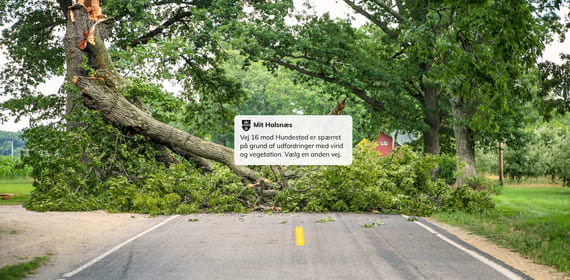
We are offering Danish municipalities a free outbound channel to their residents: a basic version of Indbyggerappen, with no commitment. We are not doing this out of pure generosity. Here are our reasons, including the ones that are about us.
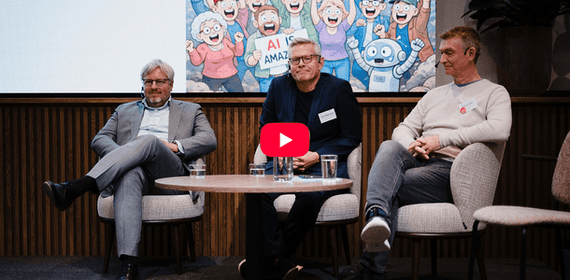
Citizen 2026: Agile innovation and the new technology landscape
How can municipalities move, improve, and innovate more efficiently while still staying in control with new technology?